Introduction
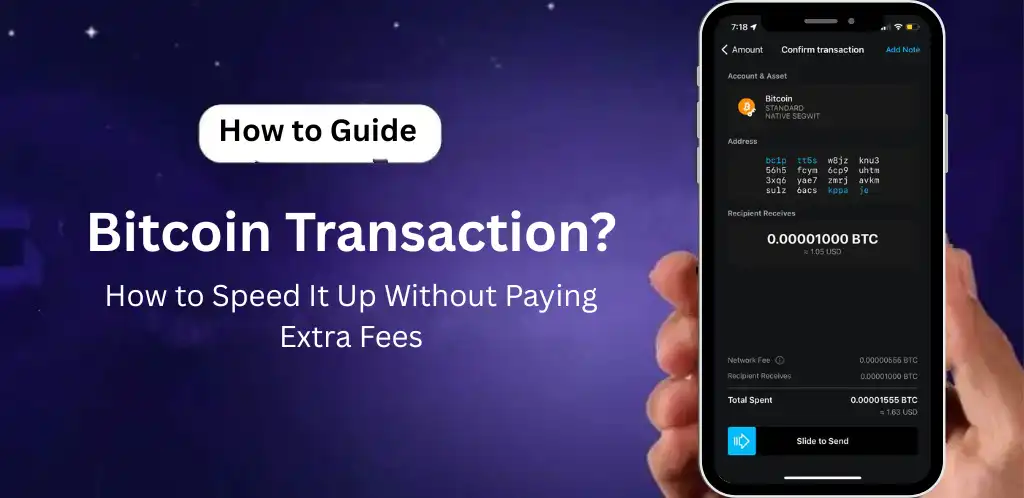
When you send Bitcoin and it just… sits there — unconfirmed for hours or even days — it can make anyone anxious. You start refreshing your wallet, checking block explorers, and wondering if your BTC is stuck forever. In such moments, using a Bitcoin transaction accelerator tool can be a lifesaver, helping your transfer get confirmed faster without extra stress.
The good news? It’s usually not lost — just delayed.
And here’s the even better part: you can often speed up your Bitcoin transaction without paying extra fees. Yep, you don’t always need to shell out more for a Premium BTC Transaction Accelerator or worry about your coins disappearing into the void.
Let’s break it down step by step, in plain English — what’s happening, why it’s slow, and what real options you have to fix it for free.
Understanding Why Bitcoin Transactions Get Stuck
Before you try to fix a slow transaction, you need to know why it happens. Most Bitcoin delays come down to one simple reason: network congestion.
Every Bitcoin transaction competes for space in the next block. Miners naturally prioritize those with higher fees because that’s their reward for including your transaction.
So if you set a low fee (which most wallets do automatically when the network is busy), your transaction just ends up waiting in line — sitting in what’s called the mempool. If you ever face persistent wallet issues or stuck confirmations that a BTC Transaction Accelerator can’t fix, you can always Contact Safepal Live Customer Service for quick, professional help.
Common reasons your transaction might be stuck:
- Low transaction fee compared to current network demand
- Too many pending transactions on the network (common during BTC price spikes)
- Wallet didn’t support Replace-By-Fee (RBF)
- You used an older or slow wallet version
- Your transaction was broadcast to too few nodes
In short: your BTC isn’t gone — it’s just waiting for miners to notice it.
How Long Do Bitcoin Transactions Usually Take?
Normally, Bitcoin confirmations take anywhere between 10 minutes to 1 hour. But during busy network periods, even simple transactions can take several hours or more to confirm.
The good news: even if it’s delayed, it will eventually go through once fees stabilize — unless the transaction drops from the mempool completely.
If it drops, you can easily rebroadcast it — which we’ll talk about below.
Read Also : How to Withdraw BTC from SafePal Without Private Key?
Let’s Talk About BTC Transaction Accelerators
If you’ve ever searched online for quick solutions, you’ve probably seen tools called BTC Transaction Accelerators. These tools help speed up unconfirmed transactions by rebroadcasting or pushing them to miner networks.
Here’s how they basically work:
- Free BTC Transaction Accelerators rebroadcast your stuck transaction to a wide network of Bitcoin nodes. This increases its visibility, giving it more chances to be picked up by miners.
- Premium BTC Transaction Accelerators claim to directly submit your transaction to mining pools — often with a fee for guaranteed faster confirmation.
Both have the same goal: to move your transaction up the line.
But before using any of them, it’s smart to try a few safe, free fixes on your own.
1. Re-Broadcast Your Transaction (Simple & Free)
Sometimes your wallet just didn’t get your transaction across enough nodes. Rebroadcasting means sending the same transaction back out into the network.
Here’s how to do it safely:
- Copy your TxID (Transaction ID) from your wallet.
- Use a Best Bitcoin Accelerator Free service or your wallet’s “rebroadcast” option.
- The network sees it again, and miners get another chance to pick it up.
Think of it like reminding the Bitcoin network, “Hey, I’m still here. Confirm me.”
2. Try Replace-By-Fee (RBF) — If Your Wallet Allows It
If your transaction is still unconfirmed, and your wallet supports RBF, you can resend it with a slightly higher fee.
That tells miners, “Replace the old one with this newer version — same transaction, just faster.”
Steps:
- Go to your wallet and check if RBF is available.
- Resend the transaction with a higher fee.
- The new one replaces the old, and miners pick it up faster.
This is completely safe — and still doesn’t count as “paying extra” because you’re just adjusting your original transaction’s miner fee.
3. Use Child Pays for Parent (CPFP)
This trick is more technical, but it works like magic when the parent transaction (your original BTC send) is stuck.
In short: you send a new transaction (child) from the unconfirmed one, but this time you attach a higher fee. Miners notice the combined value and prioritize confirming both.
It’s like saying, “You can’t have my new transaction reward unless you confirm the old one first.”
Wallets like Electrum and BlueWallet support CPFP natively. It’s a great free way to speed up your BTC confirmation.
4. Try a Free BTC Transaction Accelerator
Now, if you’ve tried the above and your transaction is still waiting, it’s time to use a Best BTC Transaction Accelerator service. These are online tools that can help rebroadcast your transaction for free.
Most work like this:
- You enter your transaction ID (TxID).
- The site rebroadcasts it across multiple nodes.
- Within a few hours, you often see your confirmation speed up.
While they can’t guarantee results (because miners decide), they often help when your wallet can’t rebroadcast automatically.
5. Avoid Double Spending or Cancel Attempts
When your BTC is delayed, resist the urge to “cancel” or resend the same coins to yourself. That can cause conflicts in the blockchain and make it even harder to confirm.
Just stay patient after you’ve rebroadcasted or boosted your transaction. Most confirmations eventually resolve — even if they take longer than expected.
When Should You Consider a Premium BTC Transaction Accelerator?
Let’s be real — sometimes you’re sending a large or time-sensitive payment, and waiting hours isn’t an option.
That’s when a Premium BTC Transaction Accelerator can help. These paid services claim to send your transaction directly to mining pools for faster inclusion in the next block.
However, you should only consider them if:
- You’ve already tried free accelerators and rebroadcasting.
- Your transaction has been unconfirmed for more than 12–24 hours.
- It involves a large or urgent payment where speed matters.
Always do your homework first. Look for community discussions, Reddit reviews, or recent user results. Avoid any service that asks for wallet keys or personal info — that’s an instant red flag.
Quick Recap: The Smart Way to Speed Up Your Bitcoin Transaction
Here’s the simple roadmap you can follow when your Bitcoin gets stuck:
- Stay calm — your BTC isn’t gone.
- Check mempool congestion (just to know if the network’s busy).
- Rebroadcast your transaction.
- Try RBF or CPFP if supported by your wallet.
- Use a Free BTC Transaction Accelerator to boost visibility.
- Wait patiently before trying any premium solutions.
Most of the time, one of the free methods above does the trick. Paying extra is only necessary when you’re truly in a rush.
Expert Tips to Avoid Future Delays
Here’s what you can do next time to make sure your BTC doesn’t get stuck again:
- Use dynamic fee settings: Many wallets automatically adjust based on network congestion.
- Check mempool before sending: If fees are unusually high, you can wait a few hours before sending.
- Split large transactions: Breaking up large sends can help confirmations move faster.
- Stay updated: Wallets like Electrum, Sparrow, and BlueWallet often add new tools for fee optimization.
Avoiding a delay is always easier than fixing one later.
The Future of BTC Transaction Speed (2025 and Beyond)
As Bitcoin adoption grows, speed and scalability continue to improve. Technologies like Lightning Network and SegWit have already made a difference, but they’re not perfect yet.
In 2025, many wallets are integrating automatic accelerators — meaning they can rebroadcast or optimize transactions without you even lifting a finger. So eventually, the idea of using a separate BTC Transaction Accelerator might become less necessary.
Still, knowing how to manually fix or boost your transactions gives you control — and confidence.
Final Thoughts
A stuck Bitcoin transaction can be frustrating, but it’s rarely a disaster.
With a bit of patience and the right steps — rebroadcasting, using RBF or CPFP, and trying a Free BTC Transaction Accelerator — you can almost always get your transaction confirmed without spending an extra satoshi.
The key is to stay calm, avoid panic-sending, and use smart tools wisely.
Remember: Bitcoin runs on logic, not luck. Once you understand how it flows, you’ll never stress about slow confirmations again.
Frequently Asked Questions (FAQs)
What is a BTC Transaction Accelerator?
A BTC Transaction Accelerator is a service that helps speed up pending or stuck Bitcoin transactions by rebroadcasting them to miners or network nodes. It gives your transaction a better chance of being confirmed faster.
Why do Bitcoin transactions get stuck?
Most Bitcoin transactions get stuck due to low network fees or high blockchain congestion. When the network is busy, miners prioritize transactions with higher fees — which can delay your confirmation.
Is using a BTC Transaction Accelerator safe?
Yes, most reputable BTC Transaction Accelerator tools are safe. They don’t access your private keys; they simply help your transaction reach more miners. Just ensure you use trusted, non-promotional services.
What’s the difference between a free and premium BTC Transaction Accelerator?
Free accelerators rebroadcast your transaction to multiple nodes and may take a few hours. Premium BTC Transaction Accelerators submit transactions directly to miners for faster confirmations — usually within minutes.
Can I speed up a Bitcoin transaction without paying extra fees?
Yes, you can use a Best Bitcoin Accelerator Free tool to rebroadcast your transaction. It won’t cost you anything but may take slightly longer than a paid option.